
The Empty Gym Is a Different Animal: 7 Rules for Off-Peak Training
Late-night and early-morning gyms have their own rhythm, risks, and rewards. Here are seven practical rules for making the quiet hours work for you.
Category
17 articles
Late-night and early-morning gyms have their own rhythm, risks, and rewards. Here are seven practical rules for making the quiet hours work for you.

Walking onto the weight room floor for the first time can feel like a spotlight moment — it isn't. This week-by-week roadmap takes you from parking lot nerves to confident regular in one month.

Nurses, factory crews, and first responders don't get to follow the standard fitness playbook — and honestly, they shouldn't. Here's how to build training, meals, and sleep around a schedule that never sits still.

Adding plates to the bar feels like progress — and it is, just not the whole picture. Strength and fitness are two different things, and chasing only one can quietly stall the other. Here's how to stop leaving gains on the table.

Your body is smarter than you think — and that's exactly the problem. When one muscle or joint isn't pulling its weight, your body quietly recruits other areas to pick up the slack, setting off a chain reaction that can quietly wreck your progress and invite injury. Here's how to spot the patterns before they sideline you.

That frustrating wall you've hit at the gym isn't a dead end — it's your body's way of demanding a smarter conversation. Before you overhaul your entire routine, understand the neurological and physiological story behind why progress stalls, and learn how to diagnose what's actually going on beneath the surface.

Your body is smarter than you think — and that's exactly the problem. When your workouts stop delivering results, it's not a sign you're doing something wrong. It's a sign your body has figured out how to do it effortlessly. Here's how to flip the script.

Your body isn't lazy — it's brilliant. The same neurological efficiency that makes you better at movement over time is also quietly stealing your gains. Here's the science behind why that happens and what actually works to stay ahead of it.

Think starting over after a fitness break means rebuilding from scratch? Think again. Your body holds onto more than you realize, and the cellular science behind muscle memory means your comeback could be dramatically faster than your original grind. Here's what's actually happening under the hood — and how to use it to your advantage.

If you've been grinding through the same routine for months and your progress has flatlined, your body isn't broken — it's just bored. Science explains why consistency can quietly become your biggest obstacle, and the good news is you don't have to blow up everything you've built to fix it.
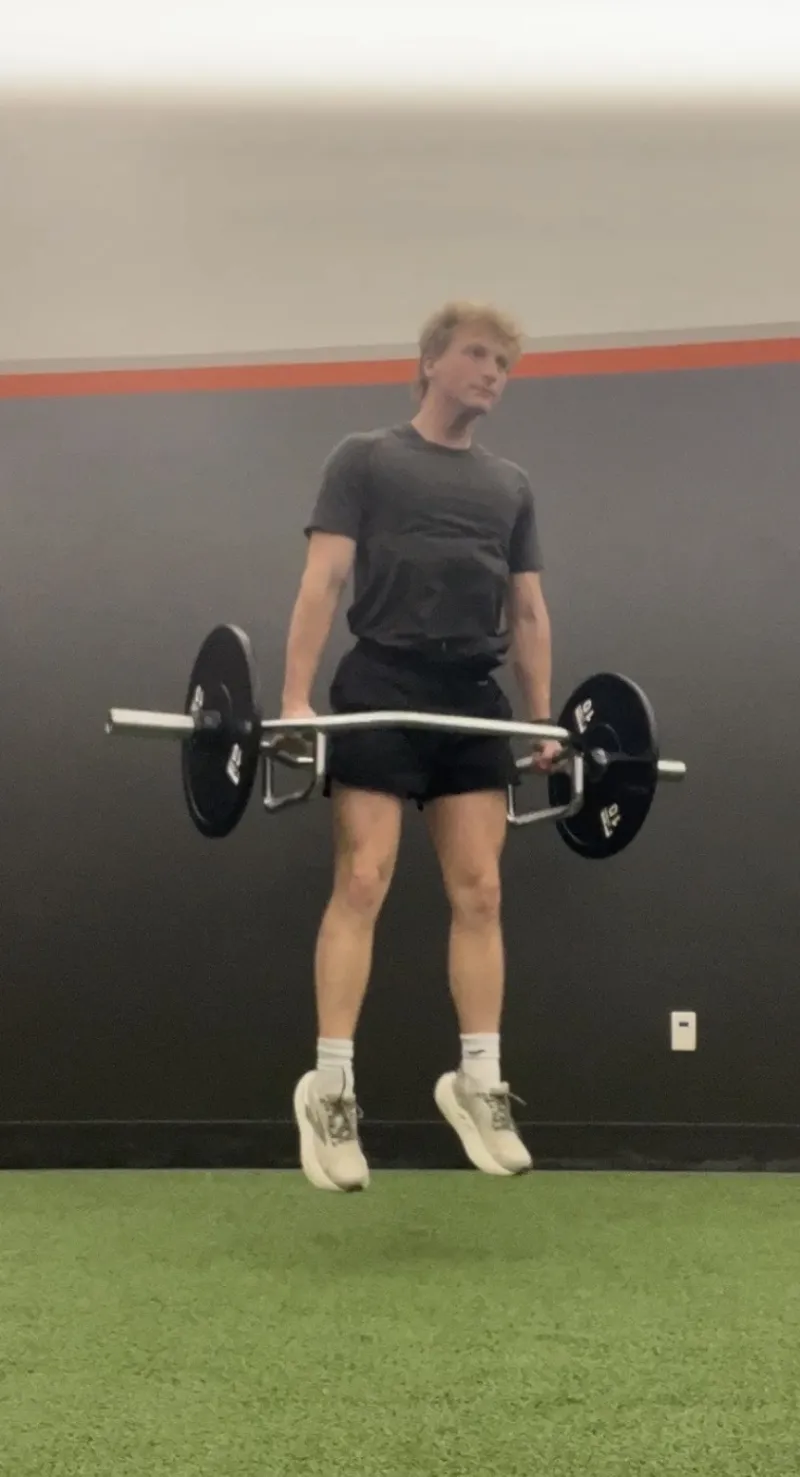
Stalled on your bench press for six weeks straight? Before you blame your programming or your protein intake, your nervous system might be the real culprit. Here's how neuromuscular adaptation actually works — and how to use it to break through plateaus that have been driving you crazy.

You've been putting in the reps, but here's the plot twist: the gym is just where you start the process. The real magic — the actual muscle building — happens during the hours and days after you rack the weights. Here's why rest days aren't lazy, they're literally required.

Most fitness advice obsesses over what you do during your workout — the sets, reps, and protein shake you slam the second you leave the gym. But the real magic (or the real missed opportunity) happens in the 72 hours that follow. Here's your complete guide to making those three days count.

Think sweating it out at midnight is wrecking your fat loss goals? Think again. The latest research on chronobiology and metabolic health might completely change how you think about evening exercise.

The fitness world loves to shame the weekend warrior, but the research tells a more complicated — and more encouraging — story. Whether you're squeezing all your sweat sessions into Saturday and Sunday or spreading them across the week, the real question isn't when you train. It's whether your schedule actually fits your life.
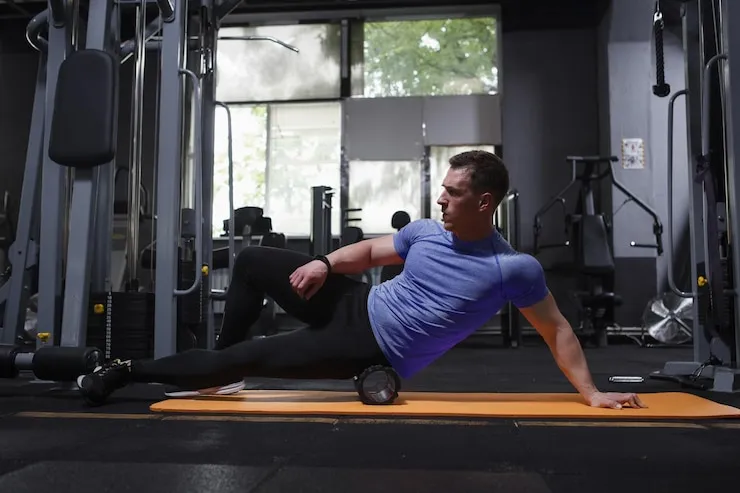
Think recovery only happens when your head hits the pillow? Think again. Your body is rebuilding and adapting around the clock — and with the right strategies dialed in for every hour of the day, you can dramatically speed up that process. Here's how to turn all 24 hours into recovery gold.

Late-night gym sessions are no longer the fitness world's best-kept secret. More Americans are swapping sunrise runs for post-9 PM workouts—and the science might actually be on their side. Here's everything you need to know before you lace up after dark.